


Searching medical records with Ctrl+F feels efficient until it fails. Keyword search only works when terminology is consistent, documents are linear, and facts are stated the same way every time. Medical records rarely meet those conditions, which is why important details slip through review.
In litigation and IME preparation, missed details affect timeline clarity, causation analysis, and confidence in the record set.
Keyword search only finds exact matches
Ctrl+F looks for exact text matches. Medical records describe the same fact in different ways depending on provider, specialty, and time period. A diagnosis might appear as a full clinical term in one note, an abbreviation in another, and a descriptive phrase in a third.
A single condition may appear as:
- Formal diagnosis in a hospital discharge summary
- Shorthand term in a progress note
- Symptom description in an urgent care record
Keyword search treats these as unrelated, even though they describe the same underlying fact. This gap creates the real medical record search limitations teams encounter during review. For end‑to‑end AI-powered medical record summaries and chronologies that support litigation and IME prep, see our dedicated solution
Terminology drift hides facts across providers and time
Medical records compile information from multiple sources: hospitals, specialists, imaging centers, labs, and follow-ups. Each provider documents care differently. Over time, language shifts as treatment progresses, symptoms evolve, or providers change.
Terminology drift appears when:
- A condition is referenced before a formal diagnosis
- Providers describe the same event using different clinical language
- Records span months or years with changing context
Ctrl+F cannot connect these references. It only returns exact string matches.
This is especially common when records reference outside providers not included in the original packet — a problem explored in detail in why medical records look complete but still miss providers.
Why this matters for case review and IME prep
During medical record review, teams establish timelines, link treatment to alleged events, and spot gaps or inconsistencies—not just collect mentions.
Missed references create:
- Incomplete chronologies
- Overlooked treatment patterns
- Extra re-review cycles to confirm facts
- Reduced confidence in summaries and timelines
Legal document search needs to operate on meaning, not just text.
How semantic search works differently
Semantic search evaluates meaning rather than exact wording. It connects related concepts across documents even when the language differs.
Semantic search medical records workflows:
- Surface related events described with different terms
- Connect symptom descriptions to later diagnoses
- Return relevant passages across providers and dates
- Present results with citations back to the source record
Reviewers can verify facts quickly without rereading hundreds of pages.
A practical workflow for meaning-based review
A practical approach follows three steps:
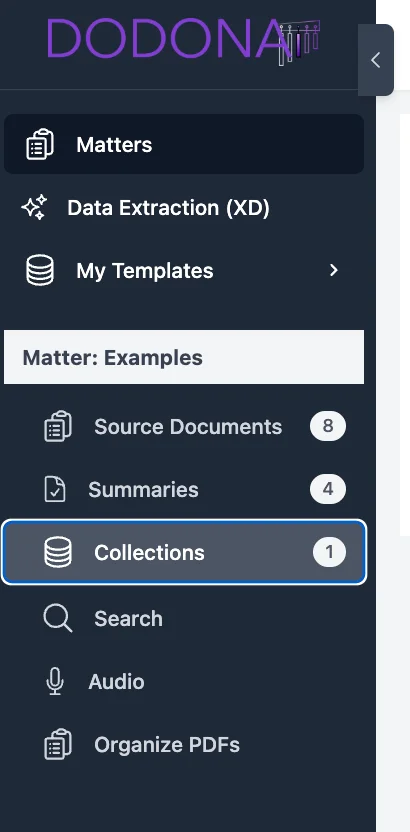
1. Create a collection
Group all relevant medical records into a single review set, regardless of provider or file type.
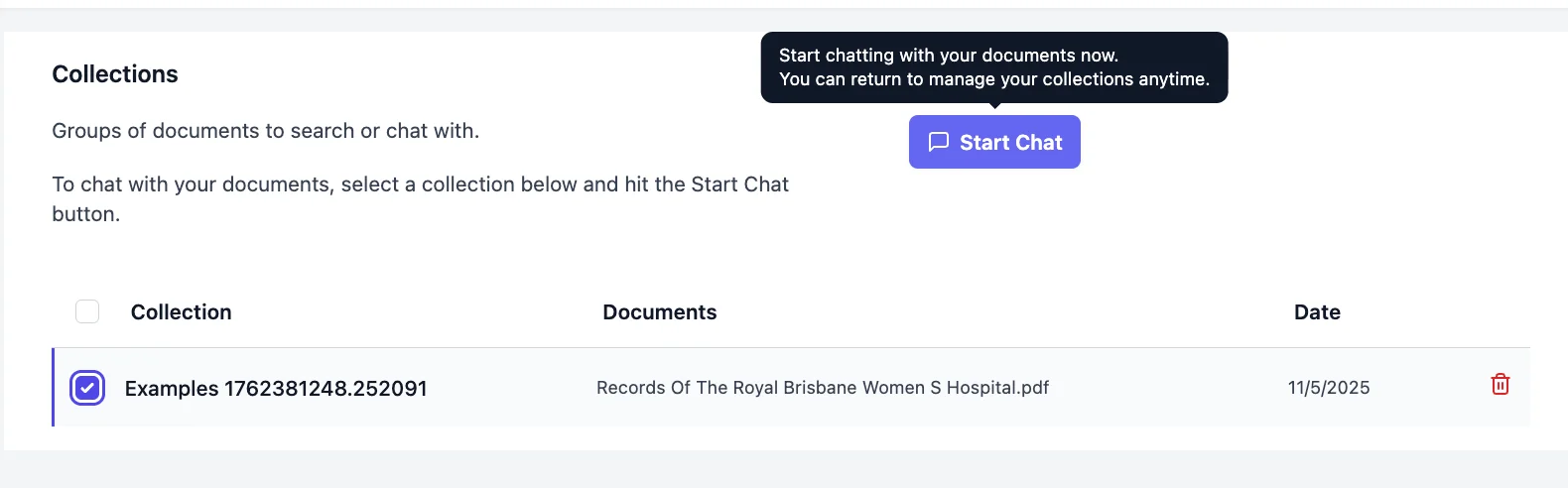
2. Chat with documents
Ask questions in plain language instead of guessing keywords: “What prior treatment is documented for lower back pain?” or “When was diabetes first diagnosed?”
3. Review cited responses
**Responses and presented chronologies are tied back to the original record locations via page-level citations, so you can click through to verify the exact source.**
Document automation software like Dodon.ai supports this workflow out of the box, reading text, handwriting, and images, then presenting cited responses for review without changing existing prep practices.
When keyword search still works
Ctrl+F works for narrow tasks: locating a specific medication name or confirming an exact phrase. The limitation appears when teams rely on it as the primary method for understanding a record set.
For preparation work that depends on completeness and context, meaning-based search fills the gaps keyword tools leave behind.
Final note
Medical record review depends on finding what matters, not just what matches. Terminology drift is unavoidable across providers and time, which is why exact-match search consistently misses relevant facts.
Semantic search supports stronger preparation by surfacing related information and keeping verification tied to the source.
Try semantic search on your next medical record packet.
Learn more about medical record summaries and chronologies →